
 +8801991898978
POS Terminal

Showing all 8 results
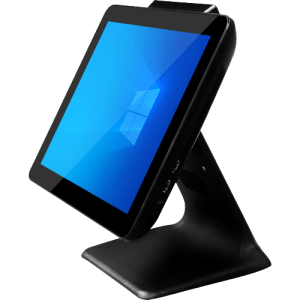

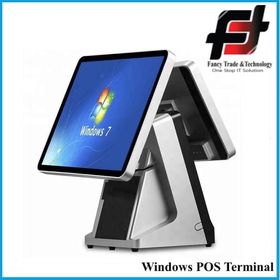



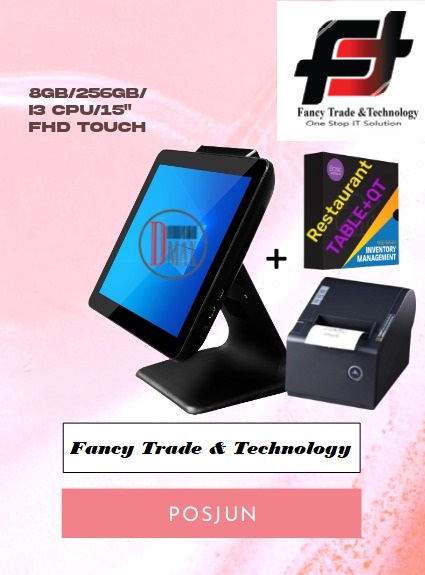
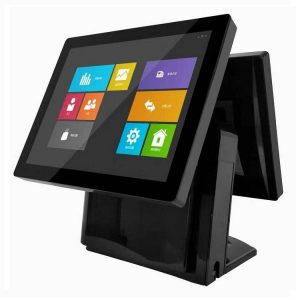
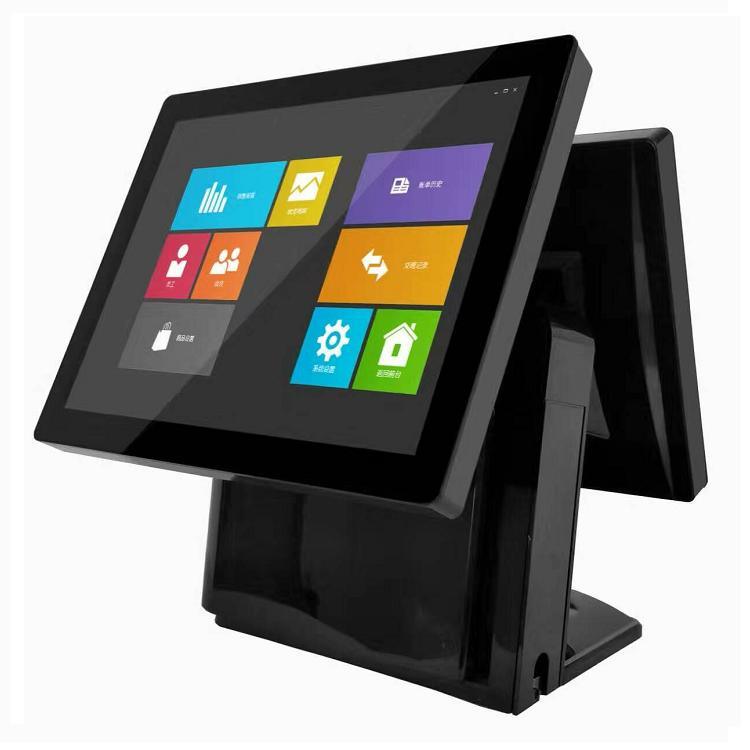

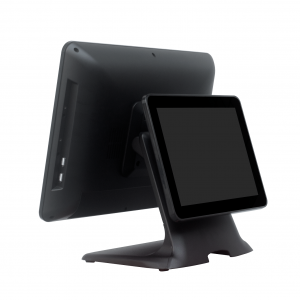



POS Terminal ( Point of sale Terminal) Price In Bangladesh 2024
What is a POS Terminal?
A point-of-sale (POS) terminal is a hardware system for processing card payments at retail locations. Software to read magnetic strips of credit and debit cards is embedded in the hardware. Portable devices either proprietary or third-party, as well as contactless capabilities for emerging forms of mobile payments, represent the next generation of POS systems.
What is The POS Terminal (Point of Sale Terminal) Price in Bangladesh?
| POS Terminal Model | Price in BD |
|---|---|
| DMAX C562 Dual Screen Core i5 POS Terminal Machine | 72000 |
| DMAX C562 Dual Screen Core i5 POS Terminal Machine | |
| DMAX C562 Dual Screen Core i5 POS Terminal Machine | |
| DMAX C562 Dual Screen Core i5 POS Terminal Machine | |
| DMAX C562 Dual Screen Core i5 POS Terminal Machine | |
| DMAX C562 Dual Screen Core i5 POS Terminal Machine |
Key Functions of a POS Terminal
- Transaction Processing: The primary function of a POS terminal is to process sales transactions. This involves scanning the items being purchased, calculating the total cost, including taxes, and processing payment through various methods such as cash, credit/debit cards, and mobile payments.
- Inventory Management: POS systems help in tracking inventory levels. When a sale is made, the system automatically updates the inventory count, alerting the store owner when stock levels are low and facilitating reordering.
- Sales Reporting and Analysis: A POS terminal can generate detailed reports on sales, including the number of transactions, revenue generated, and peak sales times. These insights help business owners make data-driven decisions.
- Customer Relationship Management (CRM): Modern POS systems store customer information and purchase history, which can be used to create personalized marketing campaigns and loyalty programs.
- Employee Management: POS systems often include features for tracking employee hours, managing shifts, and monitoring performance, making it easier to handle payroll and staffing needs.
Benefits of Using a POS Terminal
- Increased Efficiency: POS terminals streamline the checkout process, reducing wait times and enhancing the customer experience. Automated functions minimize human error and speed up operations.
- Improved Accuracy: By automating the sales process, POS systems reduce the likelihood of mistakes in pricing, discounts, and inventory counts, ensuring that business records are accurate.
- Enhanced Security: POS systems come with robust security features, including encrypted transactions and secure customer data storage, which protect against fraud and data breaches.
- Better Inventory Management: Real-time tracking of inventory helps businesses maintain optimal stock levels, preventing overstocking and stockouts, and improving cash flow management.
- Data-Driven Decisions: The analytical capabilities of POS systems provide valuable insights into sales trends, customer behavior, and operational efficiency, enabling business owners to make informed decisions.
- Customer Loyalty: By tracking customer purchases and preferences, businesses can tailor their marketing efforts, offer personalized discounts, and create loyalty programs that enhance customer retention.
Types of POS Terminals
- Traditional POS Systems: These are the classic, stationary terminals found in most retail and restaurant settings. They consist of a computer or tablet, cash drawer, receipt printer, and peripherals like barcode scanners and card readers.
- Mobile POS Systems (mPOS): mPOS systems are portable devices, such as smartphones or tablets, equipped with POS software and card readers. They are ideal for businesses that require flexibility, like food trucks, pop-up shops, and field service providers.
- Cloud-Based POS Systems: These systems store data in the cloud, allowing access from any internet-enabled device. They offer the advantage of remote management, automatic updates, and scalability, making them suitable for multi-location businesses.
- Self-Service Kiosks: Used in fast-food restaurants, hotels, and retail stores, these terminals allow customers to place orders and make payments on their own, reducing the need for staff and speeding up service.
- Integrated POS Systems: These systems integrate with other business tools such as accounting software, CRM, and e-commerce platforms, providing a comprehensive solution for managing various aspects of the business.
Choosing the Right POS Terminal for Your Business
- Business Type: The nature of your business plays a significant role in determining the type of POS system you need. Retail stores may benefit from traditional or cloud-based systems, while food trucks might require a mobile POS solution.
- Budget: Consider your budget for both the initial setup and ongoing maintenance. While traditional POS systems can be expensive upfront, cloud-based and mobile options often offer lower initial costs.
- Features Needed: Identify the features that are essential for your business operations. For instance, if inventory management is crucial, choose a system with robust inventory tracking capabilities.
- Scalability: Ensure that the POS system you select can grow with your business. Cloud-based systems are often the best choice for scalability, as they can easily handle additional locations and increased transaction volumes.
- Ease of Use: The system should be user-friendly, with an intuitive interface that requires minimal training for your staff.
- Customer Support: Reliable customer support is crucial for resolving issues quickly and minimizing downtime. Look for providers with a good reputation for customer service.
Future Trends in POS Technology
- Artificial Intelligence (AI) and Machine Learning: AI and machine learning will play a significant role in enhancing the capabilities of POS systems. These technologies can help predict sales trends, optimize inventory management, and provide personalized customer experiences.
- Contactless Payments: The adoption of contactless payment methods, such as NFC (Near Field Communication) and mobile wallets, is expected to increase, driven by consumer preference for quick and hygienic transactions.
- Omnichannel Integration: Future POS systems will offer seamless integration with various sales channels, including online stores, social media platforms, and physical locations, providing a unified shopping experience.
- Blockchain Technology: Blockchain can enhance the security and transparency of transactions, particularly in industries like supply chain and logistics. POS systems incorporating blockchain will offer tamper-proof records and improved trust.
- Voice-Activated POS: With the growing popularity of voice assistants like Amazon Alexa and Google Assistant, voice-activated POS systems could become a reality, allowing for hands-free operation and increased convenience.
- Enhanced Data Analytics: Advanced data analytics will enable businesses to gain deeper insights into customer behavior, sales performance, and market trends, driving more effective decision-making.
- Biometric Authentication: To further enhance security, POS systems may incorporate biometric authentication methods, such as fingerprint or facial recognition, ensuring secure access and transactions.
Implementing a POS System: Best Practices
- Assess Your Needs: Conduct a thorough assessment of your business requirements, identifying the specific features and functionalities you need from a POS system.
- Research Providers: Compare different POS system providers, looking at their features, pricing, customer reviews, and support options. Request demos to see the systems in action.
- Plan the Implementation: Develop a detailed implementation plan, including timelines, responsibilities, and training schedules for your staff.
- Train Your Team: Ensure that your employees receive comprehensive training on how to use the new POS system effectively. Provide ongoing support to address any issues that arise.
- Test the System: Before going live, thoroughly test the system to ensure it works seamlessly with your business processes. Address any glitches or issues promptly.
- Monitor and Optimize: After implementation, continuously monitor the performance of your POS system and gather feedback from your staff and customers. Make adjustments and optimizations as needed to improve efficiency and user satisfaction.
Conclusion
POS terminals have become an integral part of modern business operations, offering numerous benefits that enhance efficiency, accuracy, and customer satisfaction. By understanding the different types of POS systems and the features they offer, business owners can select the solution that best meets their needs. As technology continues to evolve, staying informed about future trends will ensure that your business remains competitive and can adapt to changing consumer expectations. Implementing a POS system is a significant investment, but with careful planning and execution, it can drive substantial improvements in your business operations and growth.
Android POS Terminal Price in Bangladesh | Dual-screen POS system Price In Bangladesh | Touch screen POS Terminal Price In Bangladesh 2024
POS Terminal Distributor in Bangladesh, Posjun POS Terminal in Bangladesh, Dmax POS Terminal in Bangladesh. Dotmax POS Terminal,
We have provided all the premium POS Terminal of different bands all over Bangladesh. We are the Authorized Distributor of POS Terminal, POS Touch Screen PC, Touch PC, Dual Screen Touch PC, Windows POS Terminal. We are the importer of all the high-end POS Terminals, and we offer POS Terminals to our customers at the best price in Bangladesh.